Pest control services tackle seasonal pest problems by matching treatment strategies to the specific threats each time of year brings. For homeowners in Nashville, TN, that means dealing with a rotating cast of invaders driven by Middle Tennessee's humid subtropical climate, where mild winters and hot, wet summers create near-perfect conditions for year-round pest activity. Understanding how professional
pest control services
align with Nashville's seasonal pest calendar can help you stay one step ahead.
Spring (March to May): Ants, Termites, and Stinging Insects
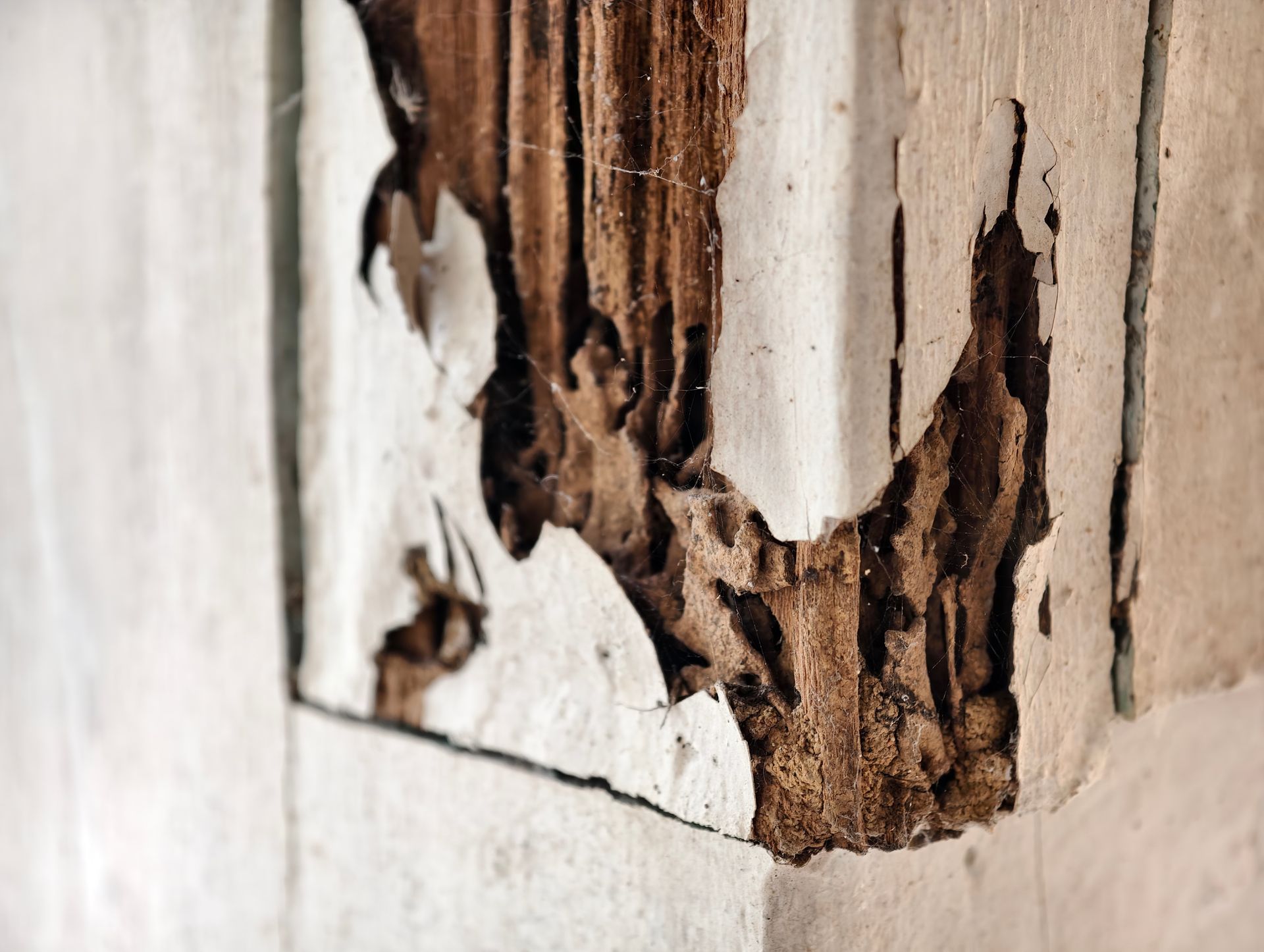
Warm spring temperatures wake up overwintering pest colonies fast. As Nashville's soil temperatures rise above 70 degrees, termite swarmers emerge to establish new colonies. Ants restart foraging trails into homes, and carpenter bees and wasps begin nesting around eaves and decks from Bellevue to Donelson. Spring is the most critical window for
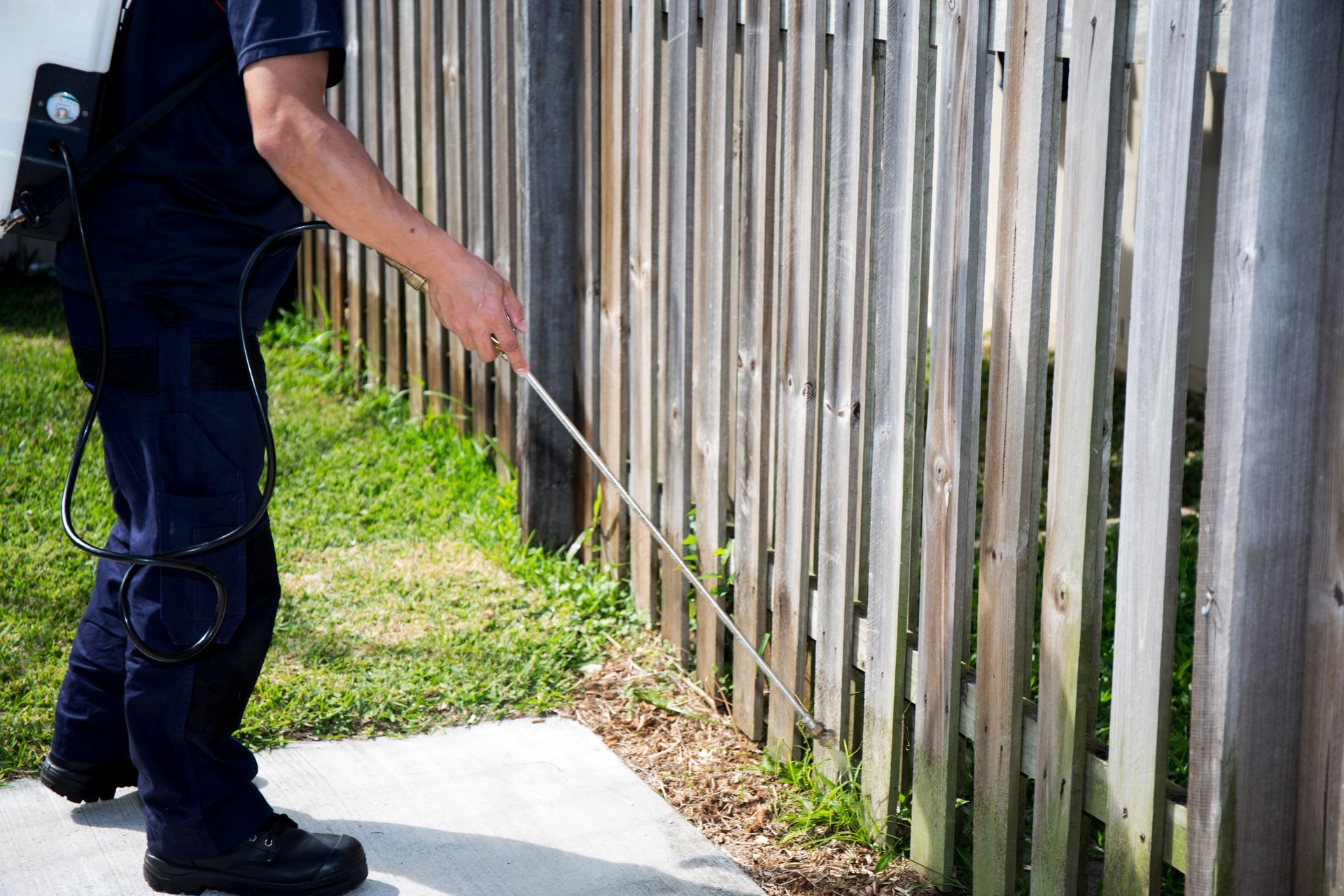
termite protection treatments, as catching swarmers early prevents months of structural damage. A professional spring treatment typically includes a full perimeter inspection, liquid barrier applications, and targeted ant baiting.
What Pests Are Most Common in Nashville Summers?
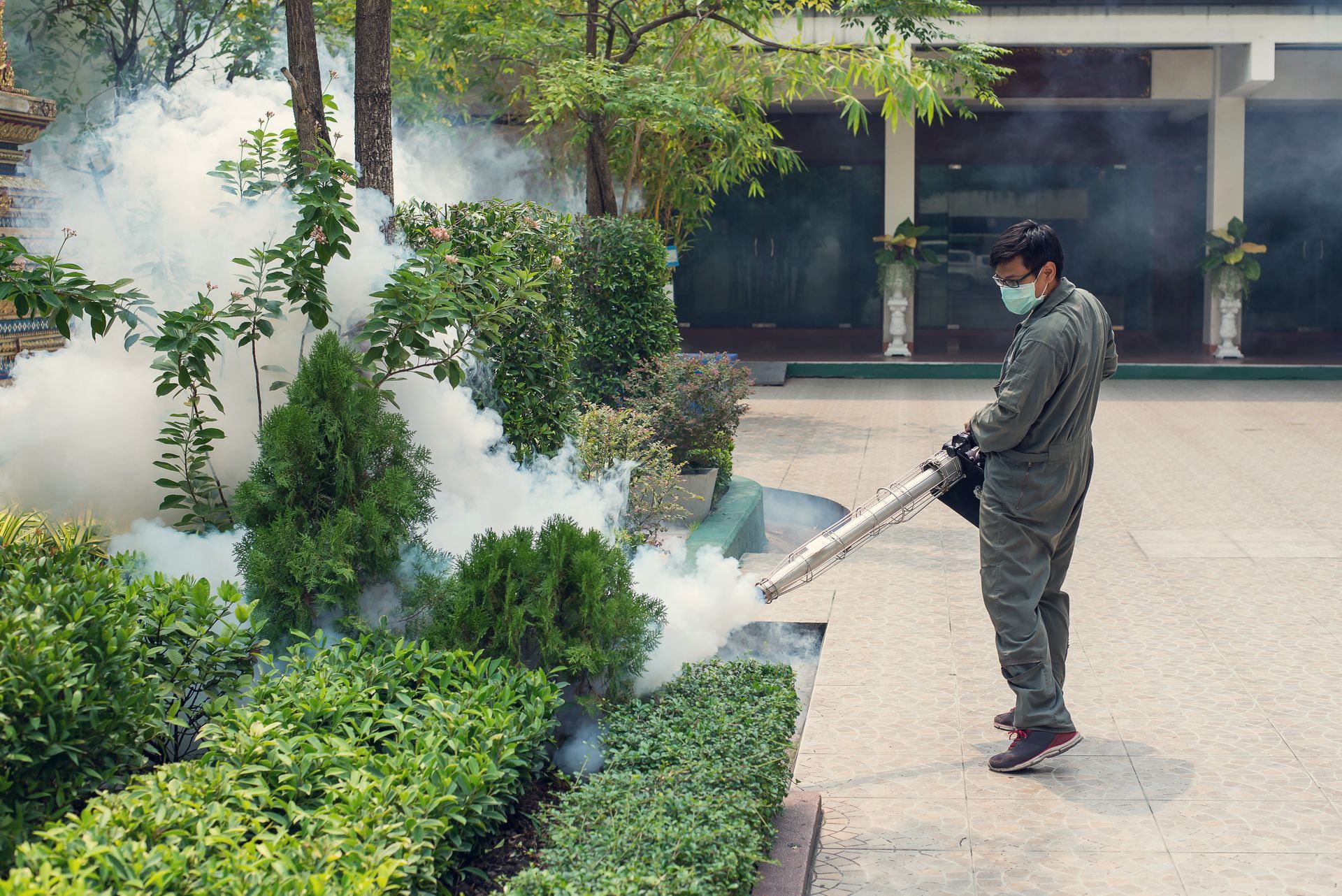
Summer in Nashville is mosquito season. High humidity, standing water, and temperatures consistently above 85 degrees make Davidson County ideal for mosquito breeding from late May through September. Cockroaches also thrive in the heat, entering homes through gaps around utility lines, crawlspace vents, and garage doors. Summer pest control focuses on mosquito yard treatments targeting larvae and adults, plus cockroach exclusion for homes near wooded greenways or drainage corridors.
Fall (September to November): Rodents, Spiders, and Overwintering Bugs
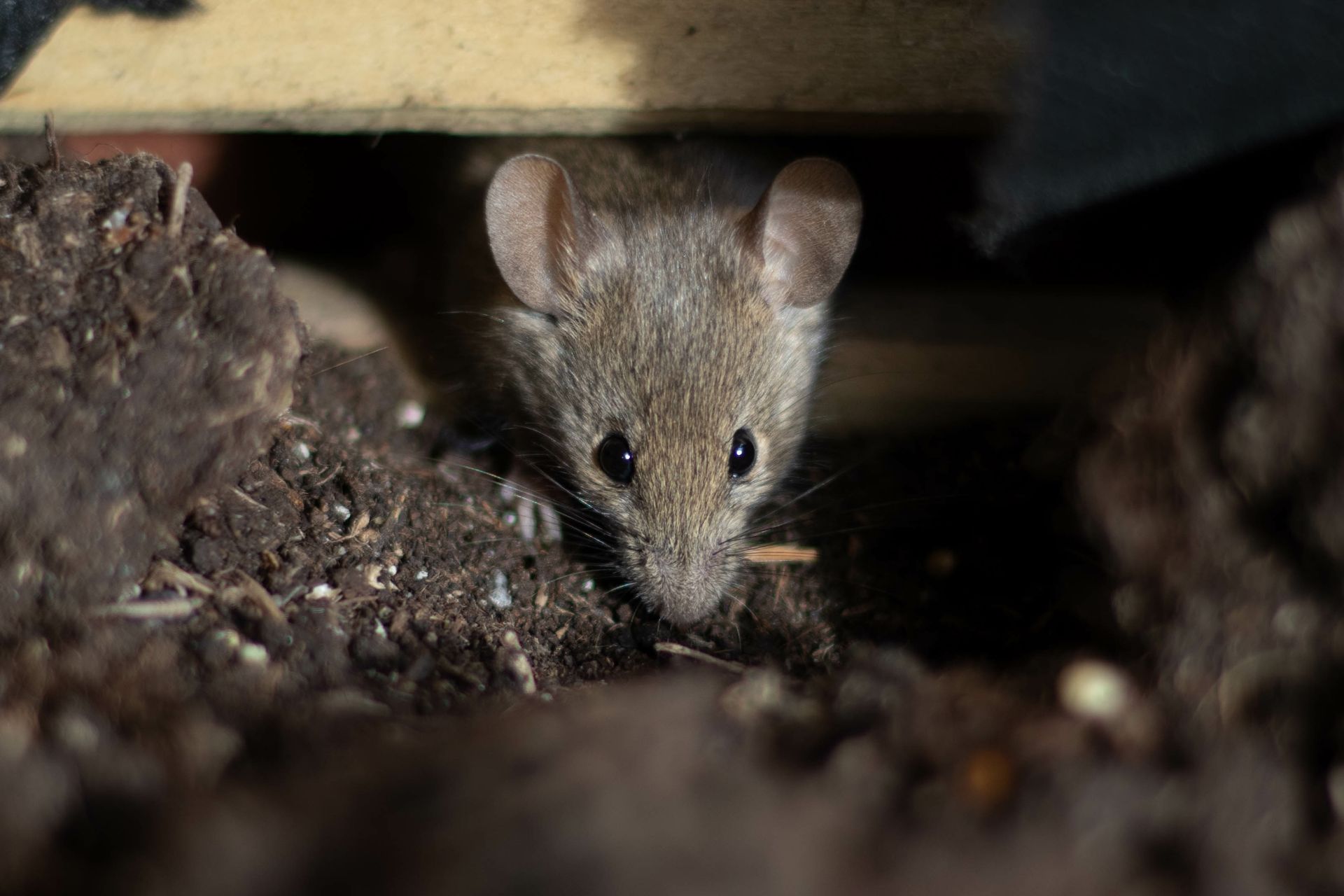
Cooler nights push pests indoors. Mice and rats begin seeking warmth and can squeeze through gaps as small as a dime, targeting crawlspaces, attics, and garages in older Nashville-area homes. Brown recluse spiders move to warmer interior spots. Stink bugs and boxelder bugs cluster on south-facing walls before slipping through window frames. Rodent exclusion is especially valuable in fall, when technicians can seal entry points before a full infestation takes hold. Rodent activity typically peaks from October through November, while overwintering insects gather around attic vents and soffits.
Winter (December to February): Cockroaches, Spiders, and Ongoing Vigilance
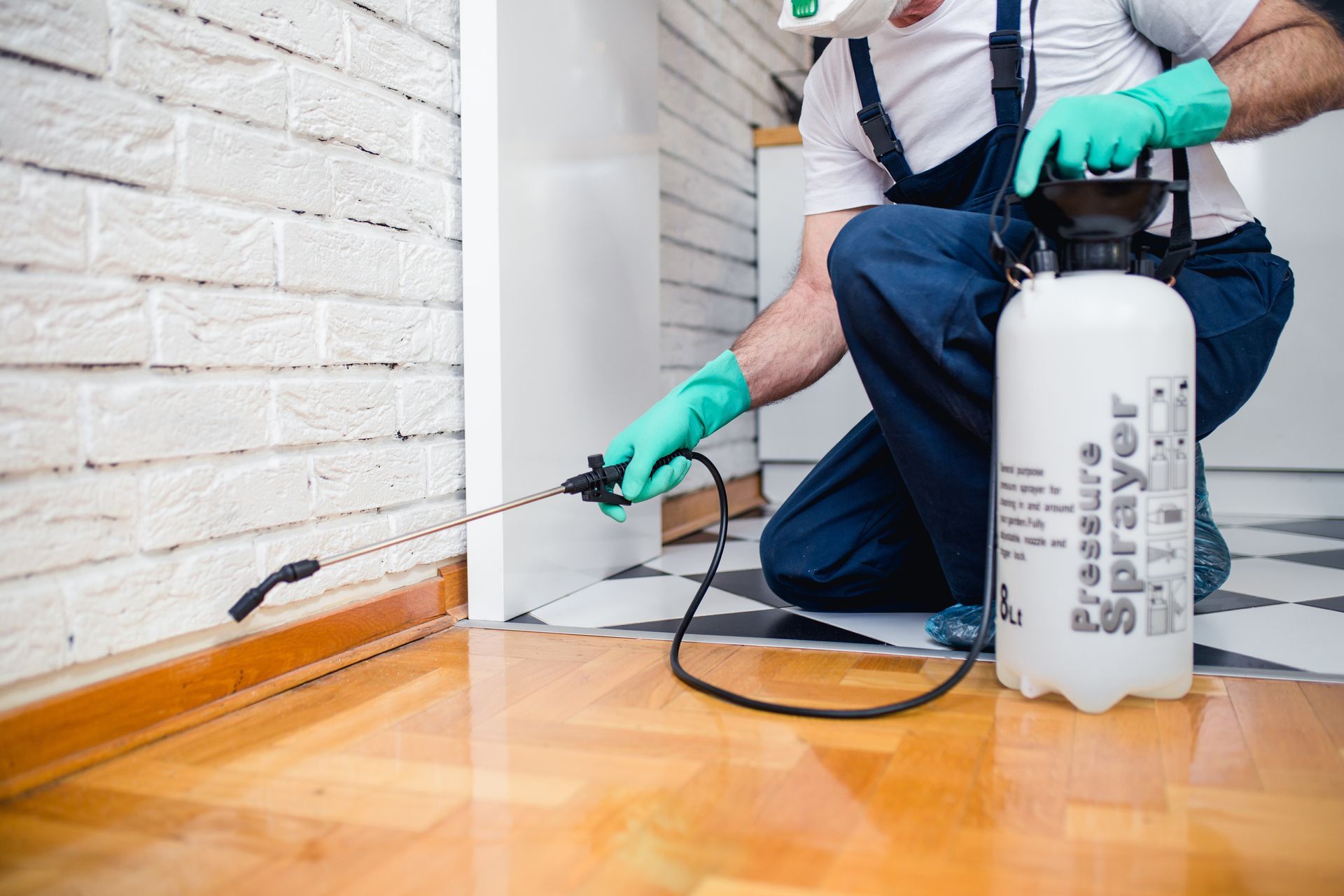
Nashville winters are mild enough that pests rarely go dormant. German cockroaches remain active in heated kitchens and bathrooms all season. Brown recluse spiders stay active in undisturbed basements and utility closets. Winter pest control visits focus on indoor monitoring, trap placement, and verifying exclusion work completed in the fall. Quarterly pest control services year-round offer better protection than reactive calls after an infestation is already visible.
How Often Should Nashville Homeowners Schedule Pest Control?
Most pest professionals recommend quarterly treatments as a baseline for year-round protection in Middle Tennessee. Quarterly checkpoints align with seasonal pest shifts, allowing technicians to adjust focus as spring ants give way to summer mosquitoes, then fall rodents, then winter cockroach monitoring.
Are Seasonal Pest Control Treatments Safe for Pets and Children?
Reputable providers use pet-safe and environmentally considerate products that target pests without posing unnecessary risks to families. Always ask your technician about product details and recommended re-entry times before treatment.
Partner With a Local Expert Serving Nashville, TN
No two seasons in Nashville bring the same threats. Alliance Pest Control serves Nashville, TN, with customized, contract-free treatment plans built around Middle Tennessee's actual pest calendar. Their licensed technicians can build a plan around your specific home and neighborhood. Find them on
Alliance Pest Control
or
contact the team directly to schedule a free inspection today.